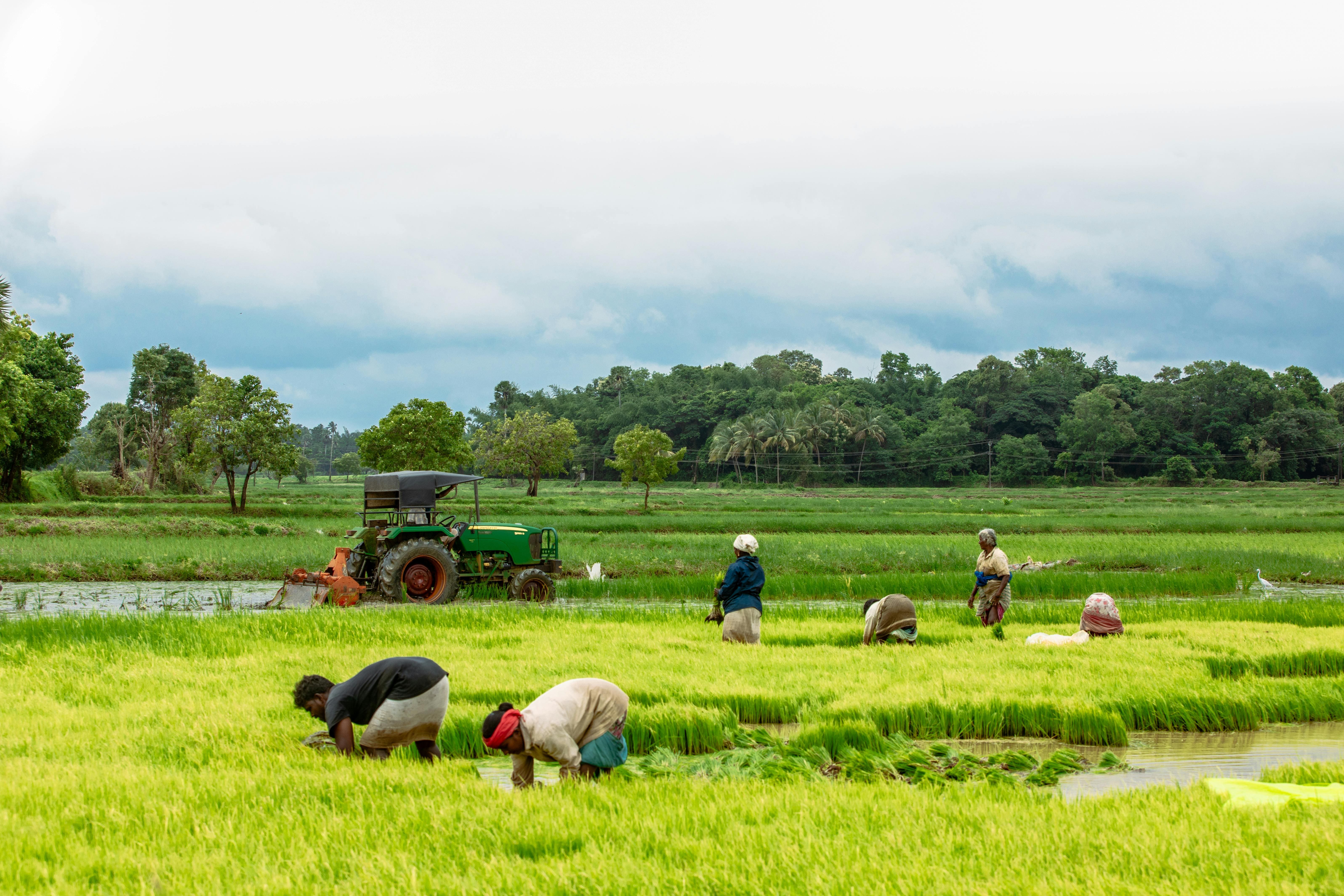
National Mission for Sustainable Agriculture (NMSA)
Nodal:Ministry of Agriculture & Farmers Welfare
Make Indian agriculture more productive, sustainable and climate-resilient through micro-irrigation, soil health management, organic and natural farming, agroforestry, and rainfed-area development under DA&FW scheme convergence.
Launched
Sep 2010
Coverage
Pan-India
Duration
2010–2030
Activities
14
Indicators
5
Key Targets
Micro-Irrigation
115.70 lakh ha
Soil Health Cards
26.31 crore generated
Organic Farming
21.29 lakh ha
Natural Farming
8.87 lakh ha
Sustainable Agriculture Mission Progress through Indicators
Showing 5 of 5 indicators
Graph/detail is available only for configured indicators with comparable observations
Area under certified organic farming
Area under integrated farming systems in rainfed areas
Area under micro-irrigation
Number of saplings raised under the agroforestry component
Soil Health Cards issued
About
Mission Overview
The National Mission for Sustainable Agriculture (NMSA) aims to make Indian agriculture resilient to climate change by promoting ecologically sustainable and climate-resilient production systems while ensuring food security, employment and livelihood opportunities. The Mission focuses on climate-resilient agriculture through improved management of natural resources, climate-ready crops and farming systems, and science-based adaptation and mitigation interventions across agriculture and allied sectors.
- Launched in September 2010
- Nodal Ministry: Ministry of Agriculture and Farmers Welfare.
- Key thrust areas: Rainfed Agriculture, Soil & Water Management, Agro-Biodiversity, Agri-waste Management and Risk Mitigation.
- Major components include Rainfed Area Development (RAD), On-Farm Water Management (OFWM), and Soil Health Management (SHM). OFWM was subsequently subsumed under Per Drop More Crop (PDMC).
- Rainfed Area Development: Promotes Integrated Farming Systems (IFS) to enhance productivity and minimise risks associated with climatic variability.
- Implementation framework: research and development, technology adoption and upscaling, infrastructure, and capacity building.
- Climate action: Adaptation and mitigation are the two pillars of NMSA, leading to risk reduction.
Vision
Make Indian agriculture more productive, sustainable, remunerative and climate-resilient — through location-specific integrated farming systems, soil and water conservation, and rainfed-area development.